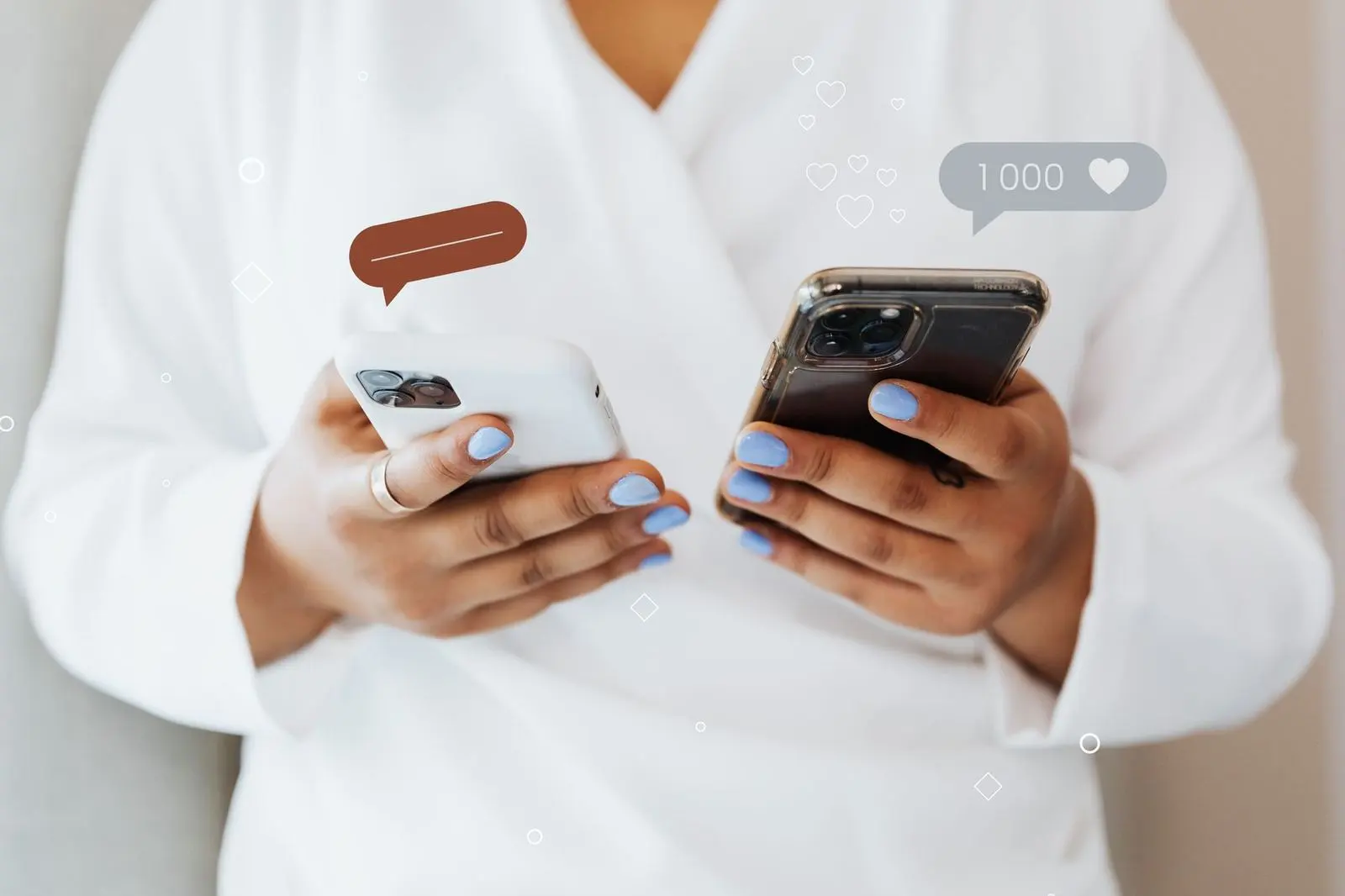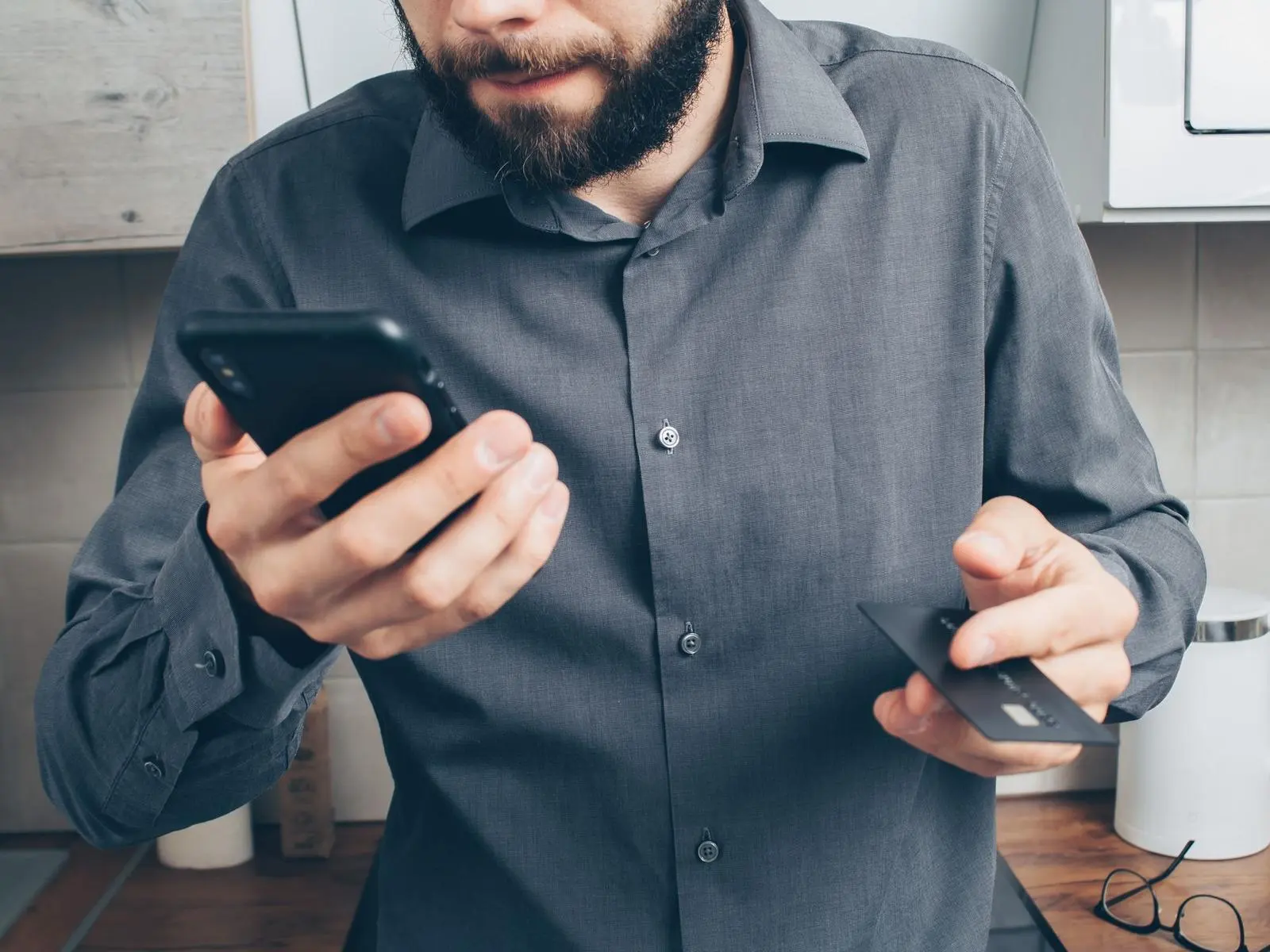
You sell in stores, online and in an app, and your customers expect rewards to follow them. An omnichannel loyalty program does that by tying every channel to one member profile and one set of rewards.
This guide sits inside our wider look at omnichannel customer experience, and it focuses on the rewards layer.
| Item | Value |
|---|---|
| Customers likely to disengage after one bad experience | 76% |
| Customers willing to share data for personalized experiences | 82% |
| Customers likelier to engage with relevant, customized recommendations | 91% |
| Increase in repeat purchases claimed for omnichannel loyalty | 20-30% increase |
| Lift in customer lifetime value claimed for omnichannel loyalty | 25% lift |
These figures come from Bloomreach’s guide and Netguru’s guide. The last two are vendor claims, and all of them can change, so check the source before you rely on them.
What is an omnichannel loyalty program?
An omnichannel loyalty program is a reward system that tracks and incentivizes customer actions across channels such as online purchases, in-store purchases, referrals, reviews and social engagement, as Zoho’s guide defines it. Customers earn and redeem through connected touchpoints instead of isolated systems.
Shopify describes the same idea from the member’s side. People can engage through a store, an ecommerce website, a mobile app or a social media storefront while their reward status is tracked across all of their devices.
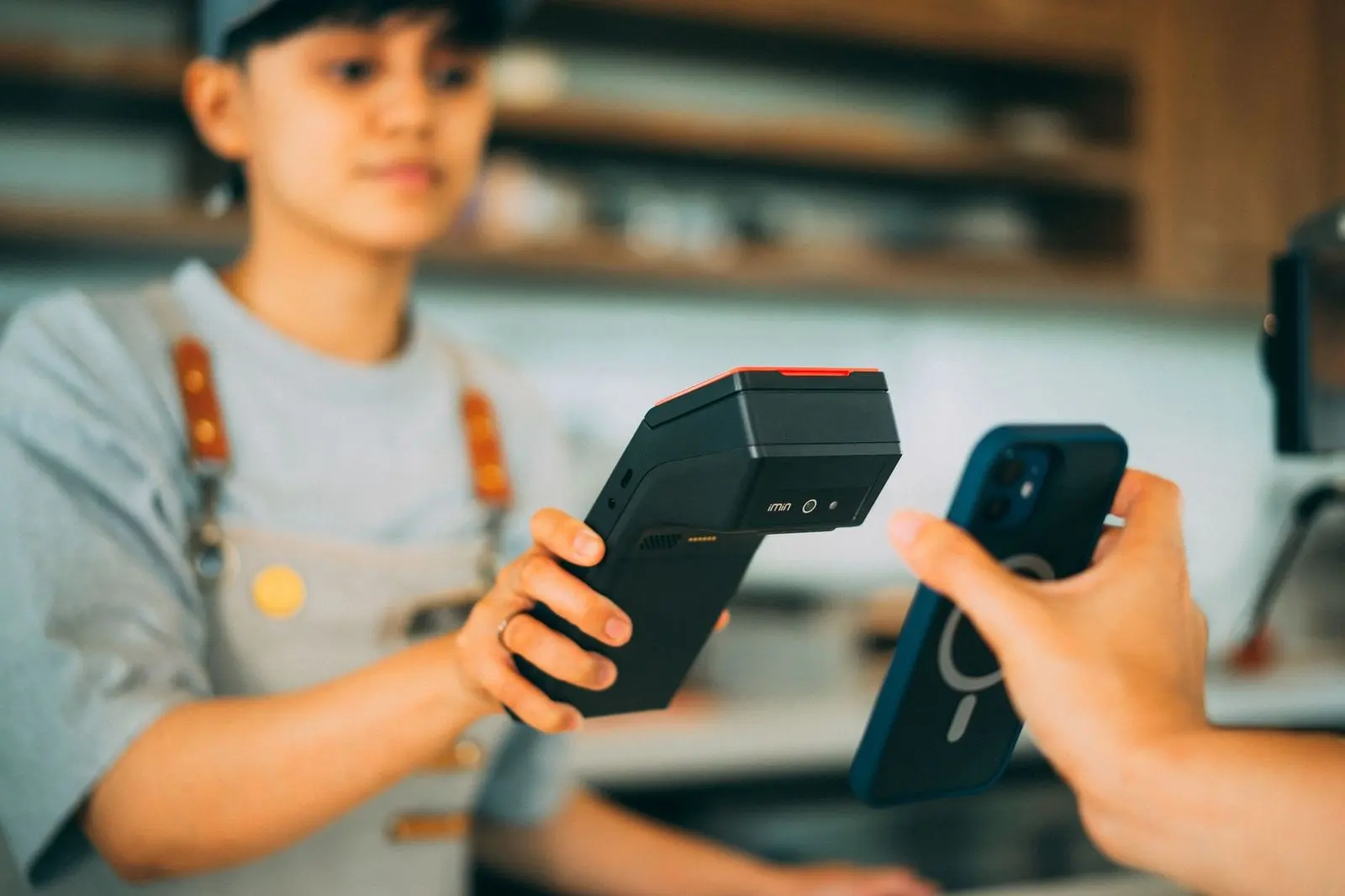
Antavo’s example shows the journey in practice. A shopper scans a QR code in store to enroll while waiting in line, receives a mobile pass with the welcome email, and redeems a welcome gift at the cashier with that pass.
The demand is real. Antavo cites McKinsey research finding that more than one-third of Americans have made features such as buying online for in-store pickup part of their regular shopping routine.
Omnichannel versus multichannel loyalty
The dividing line is integration. In Bloomreach’s comparison, omnichannel programs create a single view of the customer across all touchpoints, which enables behavioral triggers and cross-channel personalization that multichannel approaches cannot deliver.
Your program is still multichannel if it shows any of these signs:
- The loyalty app does nothing more than the existing online membership page, a pattern Antavo says fails the omnichannel test.
- A loyalty card identifies customers at the till but never feeds a holistic profile.
- Points earned in store cannot be redeemed online, which Netguru notes can cause frustration.
The remedy is data plumbing rather than more apps. Antavo recommends a system, such as a POS, that syncs both transactional and non-transactional offline interactions into your database.
Benefits worth designing for
Rewards make data sharing a fair trade. Bloomreach cites research that 82% of customers are willing to share their data in exchange for personalized experiences, and Instapage research that 91% are likelier to engage with brands offering relevant and customized recommendations.
Points also change behavior at the register. Antavo observes that shoppers are more likely to use their loyalty card in store if it earns points, and using the card updates their profile with the offline purchase.
A poor experience carries a high price. Invoca’s Buyer Experience Benchmark report, quoted by Bloomreach, says 76% of customers are likely to disengage after just one bad experience.
Rewards need not be tied to purchases alone. Shopify notes that members can earn loyalty points for taking surveys, referring new customers or rating products.
Netguru’s guide claims a 20-30% increase in repeat purchases and a 25% lift in customer lifetime value. Treat those as a vendor’s estimate and measure against your own baseline.
Digital receipts are a cheap data tool. Shopify suggests emailing them to collect contact details at checkout, but only after shoppers have opted in.
Designing the program in seven steps
Zoho’s guide lays out a practical sequence that suits stores of any size. Adjust the order to fit your own systems.
- Define reward goals. Decide which behaviors you want to encourage, such as repeat purchases, referrals, reviews or social follows.
- Map your channels. List every place customers meet you: online store, physical store, referrals and social platforms.
- Choose rewardable actions. Pick the actions that earn points from the behaviors you named in the first step.
- Set earning and redemption rules. Define how many points customers earn and how they can spend them.
- Connect the online store. Eligible actions should earn rewards automatically.
- Equip store staff. Give them controlled tools to add purchases, adjust points, record referrals, redeem rewards, opt out members or block accounts.
- Launch and educate. Explain clearly how to earn and redeem.
The organizational side matters as much. A 2016 CMSWire roundup offers the Five E’s framework: enterprise, experience and engagement, enabling technology, economics and execution.
Two of its points still hold up. Name an owner who aligns internal teams, and start the business case with economic and financial modeling, as the same CMSWire piece advises.
Pitfalls to plan for
Zoho says these challenges are common, and each one is easier to fix before launch:
- Syncing data between online and offline channels
- Keeping a single customer profile
- Reward rules that are overly complex
- Staff who do not follow the offline reward process
- Duplicate or fraudulent reward claims
Another risk is loyalty fatigue. In 2016, the average North American household belonged to at least 29 rewards programs but regularly used only eight, according to CMSWire.
Netguru describes fatigue as customers tiring of juggling several programs that offer little perceived value. Keep your rules simple enough to explain at the till.
Antavo’s Global Customer Loyalty Report 2022 named a seamless omnichannel experience as one of the biggest challenges in the coming years.
Measuring results and learning from examples
Zoho lists the KPIs that show whether the program works:
- Average order value
- Repeat purchase rate
- Redemption rate
- Points earned
- Program opt-in rate
- Referral conversions
For definitions and wider benchmarks, see our guide to omnichannel kpis.
Sephora offers a simple model. It runs online and offline community events for top members of its Beauty Insider program, where they discuss makeup trends and join exclusive product launches, as Antavo describes.
For a longer checklist, Bloomreach publishes a 10-step framework that also covers ROI measurement. More brand cases sit in our roundup of omnichannel marketing examples.
Frequently asked questions
Is an omnichannel loyalty program worth it for a small retailer?
Show answer
It can be. Zoho argues that small retailers gain when online and offline rewards share one system, and that this does not require complex infrastructure.
How do you combine online and in-store purchases in one profile?
Show answer
Choose one loyalty platform as the record of truth. Online orders flow into it automatically, and staff attach in-store sales to the same member record, as Zoho describes.
How can you get more customers to join?
Show answer
Zoho suggests an instant sign-up incentive, a simpler enrollment process and promotion across several channels, with tiered rewards and referral bonuses as extras.
Should members be able to redeem points anywhere?
Show answer
Yes. Bloomreach’s example lets customers redeem points through any channel, so the experience stays consistent wherever they engage with the brand.